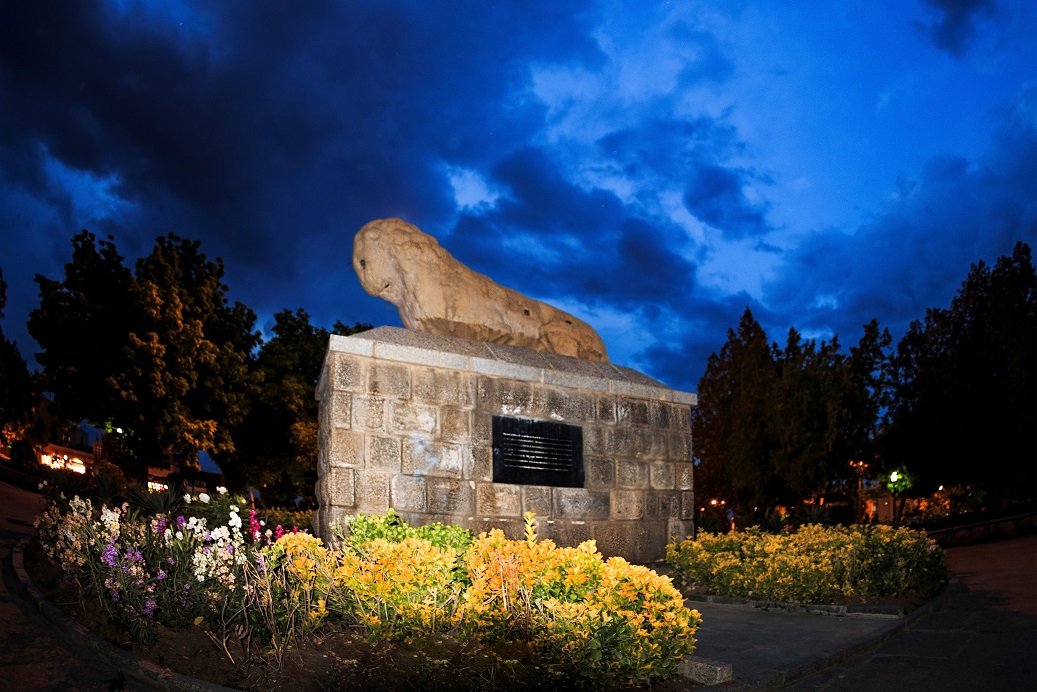
Hamedan province is located in an area of 19493 square kilometers in the west of Iran. The center of this province is the ancient city of Hamedan, where Herodotus commemorates its construction in the 8th century BC during the Medes. The Medes called the city Hegmataneh, and Hamedan is a new Hegmatane face. Today Hamedan is known as the capital of Iranian history and civilization. Hamedan province is the 24th largest province in terms of its population. According to the census of 2017, the population of Hamedan province was 1.738 thousand people. There were 538 thousand households in the province of Hamedan. This province includes nine cities of Hamedan, Malayer, Nahavand, Touyserkan, Asadabad, Kabudarahang, Bahar, Razan and Famenin.
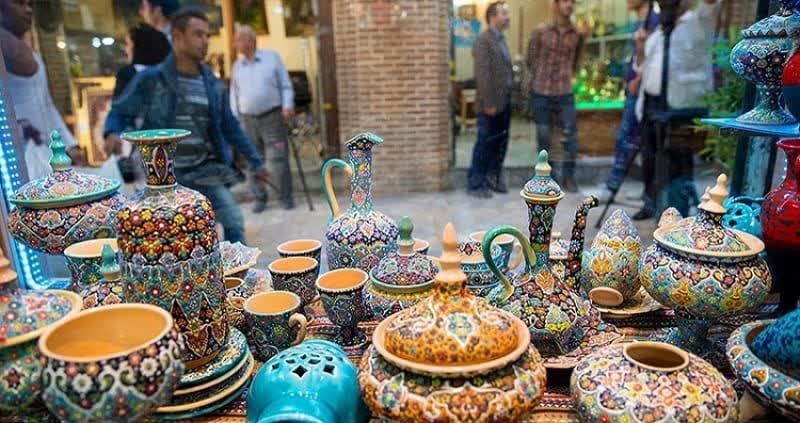
Hamedan province with 19, 493 square kilometers of breadth, is neighboring from north to Zanjan and Qazvin provinces, from south to Lorestan province, from east to Markazi province and from west to Kurdistan and Kermanshah provinces. The province is located between 33 degrees and 59 minutes to 35 degrees and 48 minutes north latitude from the equator and 47 degrees and 34 minutes to 49 degrees and 36 minutes east of the Greenwich meridianThe provinces economy includes agriculture, livestock breeding and handicrafts. Hamedan is widely known in Iran for its pottery industry. The people of this province are the most mixed cultures in Iran, because of different tribes inhabit. They include Turks, Lors, Lak, Kurds and Persians.The province of Hamedan was one of the centers of science and poetry, and during this time, the great scholars of other cities traveled to this province to use the common knowledge of time and use of the subtle weather.
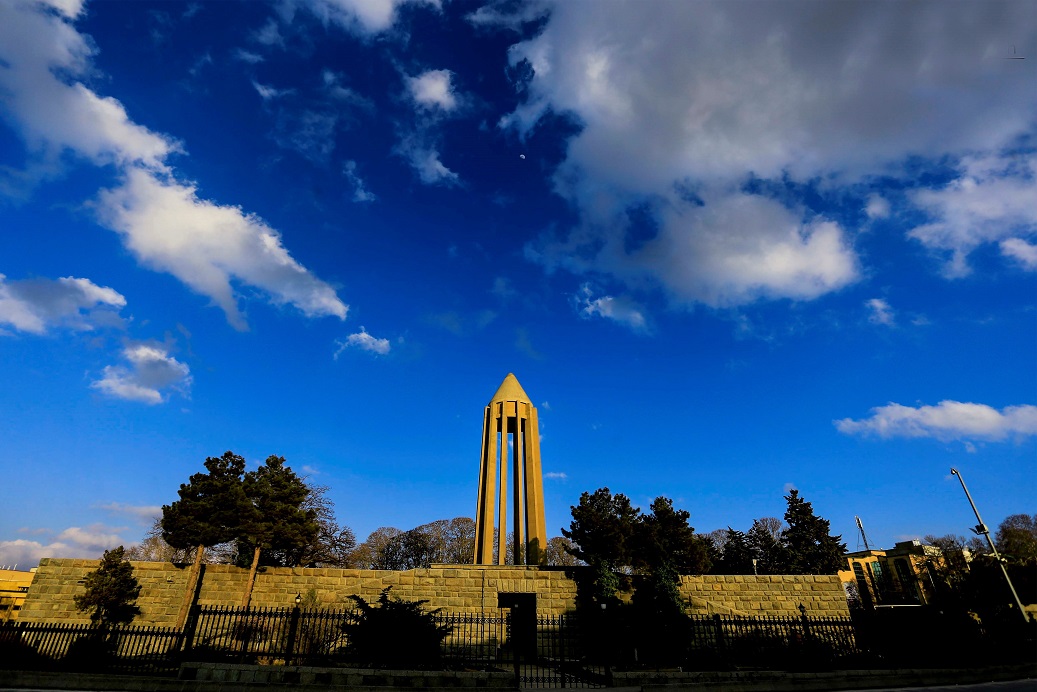
Hamedan has greats Celebrities such as Baba Taher poet of the fourth century AD, Badiozzaman Hamedani and Hassan Attar of the great literary and vocabulary and tradition in the fourth century, Ibn Salah al-Hamedani physician and mathematician fifth and sixth centuries AD, Khajeh Rashid al-Din Fadlallah; minister, scientist and medical expert of sixth and seventh centuries AD, Houshang Irani father of poetry, surreal Persian and poetry of Persian mysticism, Yarshater founder and editor of the Encyclopedia Iranica, Vigen leader of pop music in Iran, Mostafa Rahmandoust poet, writer and translator of books for children and teenagers, Parviz Zokaei researcher with many books, are the characters of the current century of Hamedan province.The tomb of Bou-Ali Sina is a symbol of the city of Hamedan and is also one of the symbols of Iran’s history in the world of culture and science. He is known as Abu Ali Sina, Ibn Sina and Pour Sina (born 359 AD in Bukhara, died 416 AD in Hamedan) physician, mathematician, astronomer considered as a physicist, chemist, psychologist, geographer, geologist, poet, philosopher of Iran, and is one of the most famous and influential philosophers and scholars of the world who is particularly important because of his work on Aristotelian and medical philosophy. He is the author of the Shafa Book which is a comprehensive scientific and philosophical encyclopedia, and al-Qanoon fi Teb is one of the most famous works of medical history.

کاربران آنلاین: 0
کل بازدید: 834325
بازدید امروز: 69
بازدید این صفحه: 157
تاریخ آخرین بروزرسانی: 1405/07/07 10:47